01
Material handling
Robots and AGVs transport goods across the floor — no manual carrying, no waiting.

Capabilities / 02 — Smart Warehouse
Coordinated robotics and high-density storage that push throughput up and errors down — running dense, fast, and around the clock.
A smart warehouse exists to end all three.
A traditional warehouse is static — goods sit on fixed racks and people walk to fetch them. A smart warehouse flips that: storage and movement are handled by coordinated automation on instruction from a single software layer, so the floor runs denser, faster, and around the clock.
Two layers make the floor run — robots that move goods dynamically, and storage that holds them dense and hands them back fast. Real footage, no renders.
The flexible, dynamic layer. AMRs navigate the floor on their own — no fixed track, no conveyor to build around — carrying goods between receiving, storage, pick faces, and dispatch.
The dense, structured layer. Cranes and shuttles store and retrieve totes in high-density racking that goes vertical — reclaiming floor you already pay for and presenting the exact item on demand.
A smart warehouse isn't one machine. It's automated storage that trades floor space for vertical density, mobile robots that move goods without fixed tracks, and a traceability layer that ties every pallet, tote, and case back to your WMS.
The flexible movement layer. Robots that navigate and transport in real time, adapting to the floor without fixed infrastructure.
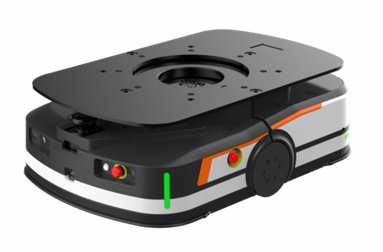
Payload 60kg to 3,000kg. QR and Laser SLAM navigation, 360° obstacle avoidance. Moves pallets, racks, and trolleys.
FOUP, FOSB, reticle, and magazine transfer. Up to 8-cavity capacity. Meets Cleanroom Class 1.
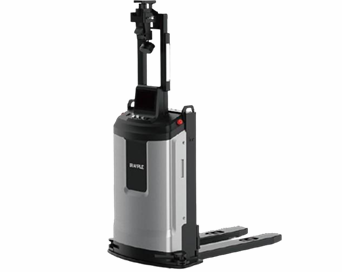
Payload 1,500kg to 3,000kg, lifting height 1,000 to 4,000mm. Laser SLAM navigation. Handles pallets and cages.
High-density storage and fast retrieval. Vertical space instead of floor space, coordinated machine handling instead of manual picking.
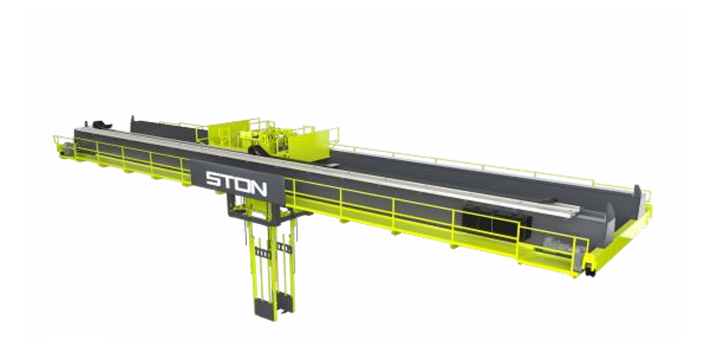
High-mixed SKU and pallet storage, fast throughput. Built for tall warehouses and 3PL operations.
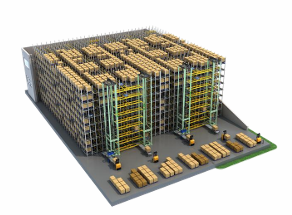
Low-mixed SKU and higher-capacity pallet storage. Scalable throughput with modular expansion for large warehouses.
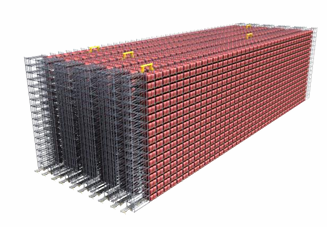
Rapid deployment, twin-directional picking, tote handover via floorbot. Handles narrow aisles down to 850mm.
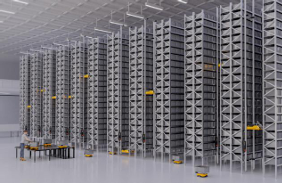
Big and irregular product storage plus pallet storage. Scalable throughput and modular expansion for heavy-duty warehouses.
The data layer. Every item scanned, labelled, and tracked, tied straight into WMS, MES, and ERP.
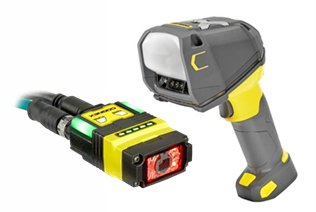
Modular design, low to high-speed scanning. Reads DPM and all 1D and 2D code variants.
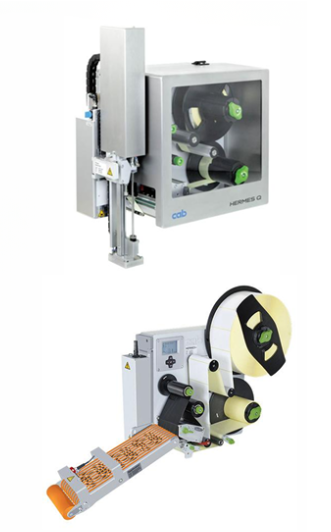
On-the-fly labelling in a consistent position. Easy label and ribbon replacement. Works with WMS, MES, and ERP.
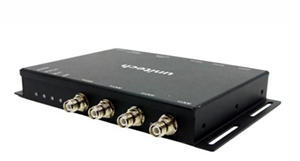
4 antenna port configurations, Wi-Fi dongle support. Read rates up to 750 tags/s. Supports EPC Global UHF Class 1 Gen 2 / ISO 18000-6C.
We do not sell robots on day one. The system is designed around your floor, your volumes, and your growth — and proven before it is built.
A traditional warehouse is static — goods sit on fixed racks and people walk to fetch them. A smart warehouse hands storage and movement to coordinated automation (ASRS, AMR fleets, barcode and RFID scanning) run from a single software layer, so the same floor operates denser, faster, and around the clock.
AGVs and conveyors follow fixed paths built into the floor. An Autonomous Mobile Robot maps the floor and navigates it on its own — no rails or conveyor to install — rerouting around obstacles and other robots in real time. The fleet scales up for peak and down for quiet periods without re-engineering the layout.
Usually the opposite. An ASRS trades floor space for vertical density — cranes and shuttles store totes and pallets using the full height of the building you already pay for. Every project starts with a floor study and throughput simulation, so the fit is proven before anything is built.
Yes — integration is the point. Scanners, printer applicators, and RFID readers tie every pallet, tote, and case back to your WMS, and the system is designed to connect WMS, MES, ERP, and logistics providers into one connected operation.
Not with a purchase order. We walk your floor and map flows, volumes, SKUs, and space first. Then we design the layout and simulate throughput so the system is proven before install. Only then do we deploy — install, commission, integrate with your WMS, and train your team.
Systems are engineered and supported from Shah Alam (HQ) and Batu Kawan, Penang — serving semiconductor, electronics, automotive, food and packaging, logistics, and consumer product operations across Malaysia.